
Equipment rental used to run on clipboards, whiteboards and phone calls. A customer rang to ask if a generator was free, someone walked the yard to check, and the booking went into a paper diary. Today, the smartest rental companies run on connected devices and cloud software, and the difference shows up in utilisation, uptime and customer experience.
Table of Contents
From Guesswork to Real-Time Visibility
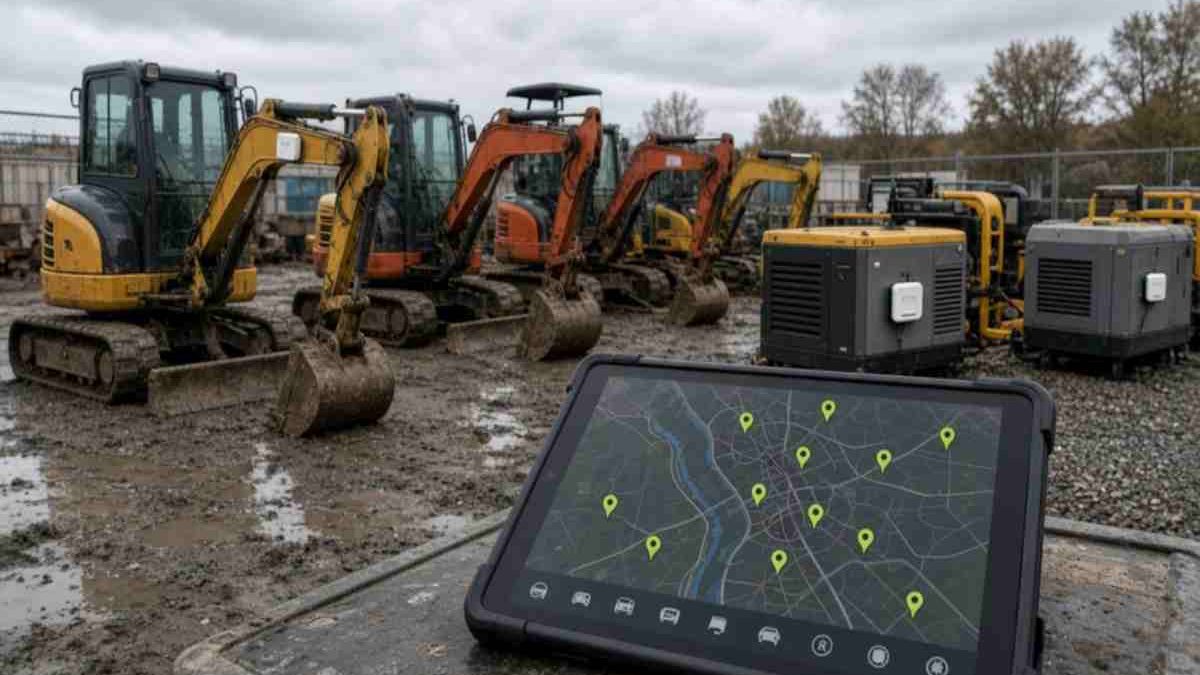
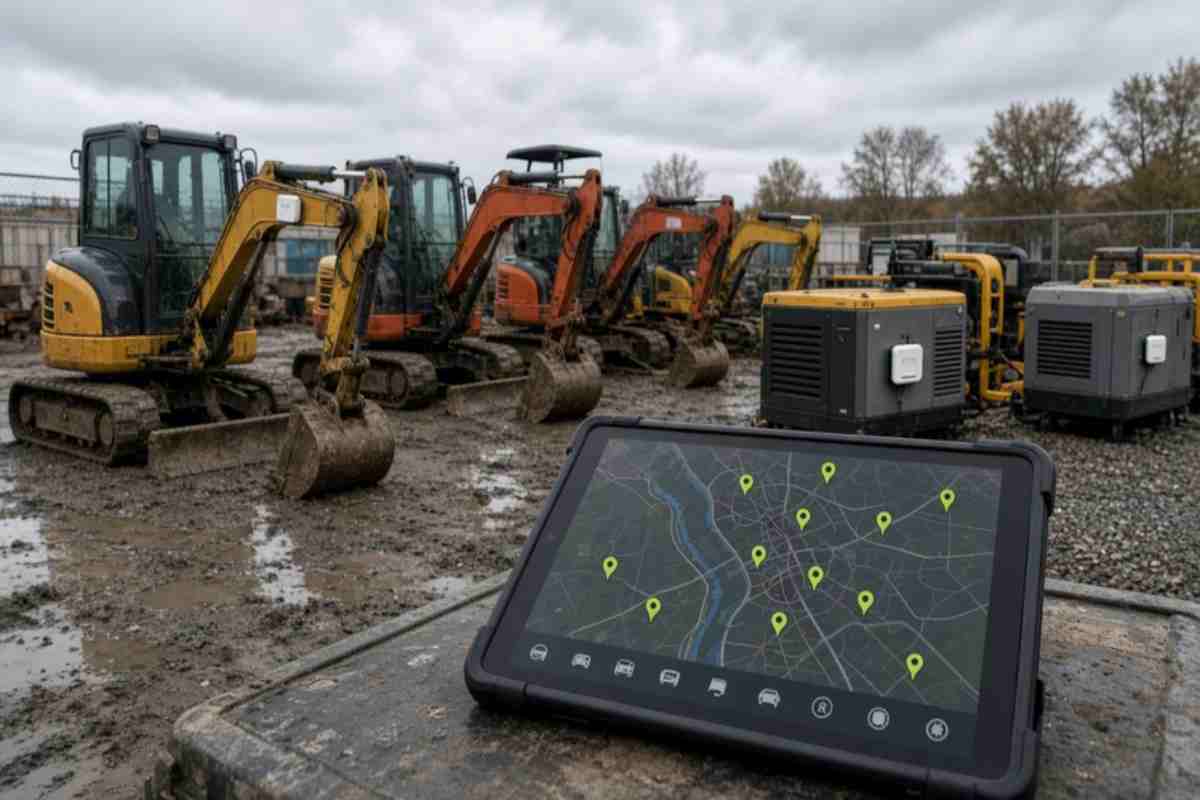
The biggest shift is visibility. Small IoT trackers fitted to excavators, generators, lifts and trailers report location, engine hours and status in real time. Instead of asking “where is unit 14?”, staff can see it on a map.
That visibility solves expensive problems. Machines are no longer “lost” on finished job sites. Overdue returns are spotted early. And theft, a serious cost in the rental industry, becomes easier to prevent and recover from.
Usage-Based Maintenance
Traditional maintenance schedules are calendar-based: service every three months whether the machine ran for ten hours or three hundred. IoT changes this. With engine hours and fault codes streaming in, rental companies can service equipment based on actual usage.
The result is fewer breakdowns on customer sites and fewer unnecessary services in the workshop. Over time, that data also shows which models are most reliable, guiding smarter purchasing decisions.
The Cloud as the Single Source of Truth
Sensors are only half the story. The data needs somewhere to live, and that is where cloud platforms come in. Modern equipment rental management software brings bookings, inventory, maintenance, contracts and invoicing into one system that staff can access from the office, the yard or a delivery truck.
When a machine is booked online, availability updates instantly. When a technician logs a repair, the unit is blocked from new bookings until it passes inspection. When it returns, the invoice can be calculated from actual usage. Everyone works from the same live data.
Because so much rests on this data, protecting it matters. This piece on why it is essential for an SME to back up in the cloud explains why redundancy and backups should be part of any small company’s cloud plan.
Smarter Pricing and Fleet Decisions
Usage data also changes how rental companies price and buy. When managers can see that compact excavators are booked 90 percent of the time in spring while scissor lifts sit idle, they can adjust rates, run promotions on slow categories and move units between branches. Over a year, the same data shows which assets earn their keep and which should be sold, helping owners invest in the equipment customers actually want rather than relying on gut feeling.
Security Cannot Be an Afterthought
Every connected tracker is a potential entry point for attackers. Rental companies should choose devices with secure firmware updates, change default credentials and segment IoT devices from core business systems. The NIST Cybersecurity for IoT Program offers practical guidance on baseline security capabilities buyers should expect from IoT products.
Better Experiences for Customers
Customers feel the benefits too. They can check availability and book online at any hour, sign digital agreements and receive automatic pickup and return reminders. Some rental companies share live telematics with large clients, so site managers can monitor usage and fuel levels for every rented machine.
That transparency builds trust. When invoices are based on real usage data, disputes drop. When breakdowns are rare, repeat business grows.
Getting Started Without a Huge Budget
Small and mid-sized rental firms do not need to connect every asset at once. A sensible path looks like this:
- Start with high-value or high-risk assets. Track the machines that are most expensive or most often stolen.
- Move bookings and inventory to the cloud. Even without sensors, a single online system removes double bookings.
- Integrate gradually. Connect telematics data to maintenance and billing once the basics are working.
- Measure results. Track utilisation, downtime and overdue returns before and after.
The Road Ahead
As connectivity gets cheaper and AI tools mature, rental fleets will become even smarter, predicting failures before they happen and adjusting prices based on demand. But the foundation is already here: connected equipment and cloud software working together. Rental businesses that adopt them now will run leaner, serve customers better and be ready for what comes next.